Kumasi is a city of culture, trade, movement, and memory.
For many people, Kumasi is strongly connected to Asante history and tradition. But the city is not only a cultural symbol. It is also a living business city, full of markets, shops, transport activity, food spots, artisans, service providers, schools, churches, hotels, neighbourhoods, and everyday local life.
If Accra often feels fast and outward-facing, Kumasi can feel more rooted. It has its own rhythm, its own pride, and its own way of doing things.
To understand Kumasi, you have to look at both sides: the heritage and the hustle.
This guide is a simple starting point for discovering Kumasi through culture, business, services, food, shopping, and everyday places.
Start with Kumasi as a cultural city
Kumasi is one of Ghana’s most important cultural centres.
The city is deeply connected to Asante identity, traditional authority, royal history, crafts, symbols, language, and community life. For visitors, this makes Kumasi one of the best places to begin understanding Ghana beyond the surface.
Culture in Kumasi is not only something you see in museums. It is also found in greetings, fabrics, symbols, markets, ceremonies, names, food, family life, leadership, and how people speak about belonging.
A person visiting Kumasi for the first time should not treat it as just another city stop. Kumasi has meaning. It carries history.
That is why cultural discovery should be part of any Kumasi experience.
Places that help you understand Kumasi
A good Kumasi discovery journey can begin with cultural and historical places.
Manhyia Palace Museum is one of the most important starting points for learning about Asante history, leadership, royal heritage, and the wider story of the Asante Kingdom.
Other cultural points of interest may include traditional museums, historical sites, craft villages, cultural centres, and places connected to Asante symbolism and history.
These places help visitors understand that Kumasi is not only a commercial city. It is also a city shaped by tradition, memory, and identity.
For locals and returnees, these places can also be reminders of how important cultural knowledge is in everyday Ghanaian life.
Kejetia and the business energy of Kumasi
Kumasi is also a city of trade.
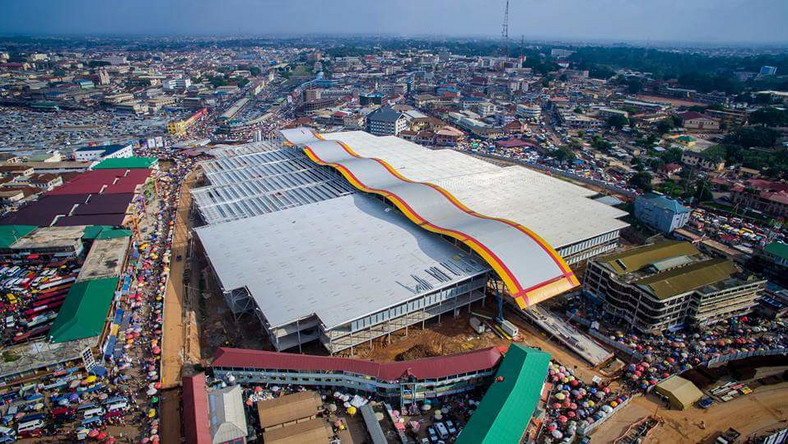
One of the strongest examples of this is the market culture. Kumasi’s markets are active, busy, layered, and important to the city’s economy.
Markets are where you feel the business energy clearly. You find traders, buyers, transporters, food vendors, fabric sellers, phone accessories, household items, shoes, bags, spices, beauty products, spare parts, local medicine, and many other goods moving through the city every day.
For visitors, a market can be overwhelming at first. But it can also be one of the best ways to observe how Kumasi works.
For local businesses, markets are not just selling points. They are networks. They connect people, products, prices, suppliers, customers, and communities.
If ghana.is is about discovery, Kumasi’s markets show why discovery matters. Many useful businesses are active every day, but people still need better ways to find, compare, contact, and trust them.
Shopping in Kumasi
Shopping in Kumasi is practical and cultural at the same time.
You can shop for everyday goods, clothing, fabrics, food items, electronics, beauty products, household items, building materials, handmade goods, and local crafts.
Kumasi is also strongly connected with traditional crafts and textiles. Kente, adinkra symbols, wood carving, stools, beads, and other forms of craft culture are part of the wider Ashanti Region identity.
For visitors, shopping in Kumasi can be more than buying something. It can be a way to learn about meaning, design, symbolism, and local skill.
For locals, shopping is usually about value, reliability, price, and trust.
The best shopping experiences often come from knowing where to go, who to ask, and how to compare options.
Food in Kumasi
Kumasi has a strong food culture.
The city offers local meals, chop bars, restaurants, street food, grills, bakeries, cafés, and neighbourhood food spots. Like many Ghanaian cities, food is part of daily rhythm.
People eat around work, family, school, church, travel, business, and social life.
If you are new to Kumasi, local dishes are a good place to start. You may find fufu and soup, banku, rice dishes, waakye, ampesi, grilled meat, fried yam, kelewele, kenkey, stews, and many other Ghanaian favourites depending on the area and time of day.
Chop bars are especially important if you want a local eating experience. They can be simple, busy, and full of character.
For a calmer setting, look for restaurants and cafés around more central or developed areas of the city. For a more everyday experience, ask locals for trusted food spots nearby.
Kumasi is a good reminder that food discovery does not always need to be fancy. Sometimes the best meal is simply the one locals return to again and again.
Services and everyday life in Kumasi
Kumasi depends on service businesses.
Barbers, salons, tailors, mechanics, repairers, caterers, event vendors, cleaners, real estate agents, transport operators, photographers, printing shops, health providers, tutors, designers, delivery services, and many others keep the city moving.
For people living in Kumasi, these services are part of everyday survival and comfort.
For visitors, students, new residents, and returnees, finding the right service provider can take time. You may need someone reliable, close by, affordable, available, and easy to contact.
That is where organized discovery becomes useful.
A good service listing should help someone understand what the business offers, where it is located, how to contact it, and whether it fits their need.
Without that information, people depend only on word of mouth. Word of mouth is powerful, but it should not be the only option.
Neighbourhood and area discovery
Kumasi is not one single experience.
Different parts of the city have different uses and identities. Some areas are better for markets and transport. Some are more residential. Some are known for food, schools, shops, services, hospitality, or nightlife.
If you are new to Kumasi, it helps to think by area.
Where are you staying? What do you need nearby? Do you want food, shopping, culture, transport, or services? How much time do you have? Will traffic affect your movement? Can you group your errands by location?
This kind of thinking helps you move through the city more easily.
A city guide should not only tell people what exists. It should help them understand how to explore without wasting time.
Business discovery in Kumasi
Kumasi has many small and medium-sized businesses that deserve better visibility.
Some are formal. Some are informal. Some are family-run. Some are growing through social media. Some are known only in their neighbourhoods. Some are trusted by loyal customers but hard to find online.
That creates an opportunity.
When a business is easier to discover, more people can contact it, visit it, recommend it, and support it.
For business owners in Kumasi, a good online listing can help show basic but important information:
Business name Category Location Contact number Opening hours Description Photos Website or social media Services offered
These details may look simple, but they can make a big difference.
People are more likely to contact a business when they understand what it does and how to reach it.
Kumasi for visitors and returnees
Kumasi is especially useful for visitors who want to understand Ghana through culture and everyday life.
A visitor can experience history, markets, food, crafts, local transport, hospitality, business activity, and community life all in one city.
For returnees and diaspora communities, Kumasi can offer a deeper connection to heritage. It is a place where tradition is visible and where Ghanaian identity is expressed through culture, family, names, symbols, and institutions.
For non-Ghanaians, Kumasi can be a powerful introduction to Ghana beyond beaches and capital-city life.
It gives people a chance to learn, not just look.
Practical tips before exploring Kumasi
Before going out to explore Kumasi, plan your movement.
Traffic, heat, market crowds, and distance can affect your day. If you are visiting a busy market, go with patience. If you are visiting a cultural site, check opening times before leaving. If you are using a guide, agree clearly on cost and expectations. If you are shopping, compare prices and ask questions.
For food, ask locals what is fresh and popular nearby. For services, call first if possible. For transport, give yourself extra time.
Kumasi is rewarding, but it is easier to enjoy when you move with awareness.
How ghana.is helps people discover Kumasi
ghana.is can help make Kumasi easier to navigate.
As the platform grows, people will be able to discover Kumasi businesses, food spots, shops, services, hotels, cultural places, and practical guides in one place.
That matters because Kumasi has many good businesses and useful places that may not be easy to find through ordinary search.
A person may want a restaurant, a tailor, a hotel, a salon, a market guide, a cultural site, a service provider, or a local recommendation. ghana.is can help connect those needs to real places and businesses.
The goal is not only to list Kumasi. The goal is to make Kumasi easier to understand.
Kumasi is culture and commerce together
The beauty of Kumasi is that it carries both memory and movement.
It is a city of palaces and markets. A city of tradition and trade. A city of crafts and services. A city of food, family, business, and everyday discovery.
That is what makes Kumasi important.
You can visit for culture and still discover businesses. You can come for trade and still learn history. You can come for food and end up understanding something deeper about Ghanaian life.
Kumasi rewards people who pay attention.
Explore Kumasi on ghana.is
Explore Kumasi businesses, food places, services, shops, culture, and city guides on ghana.is.
Own a business in Kumasi?
Own a restaurant, shop, service, hotel, salon, creative brand, or local business in Kumasi? Add your listing on ghana.is and help more people discover you.